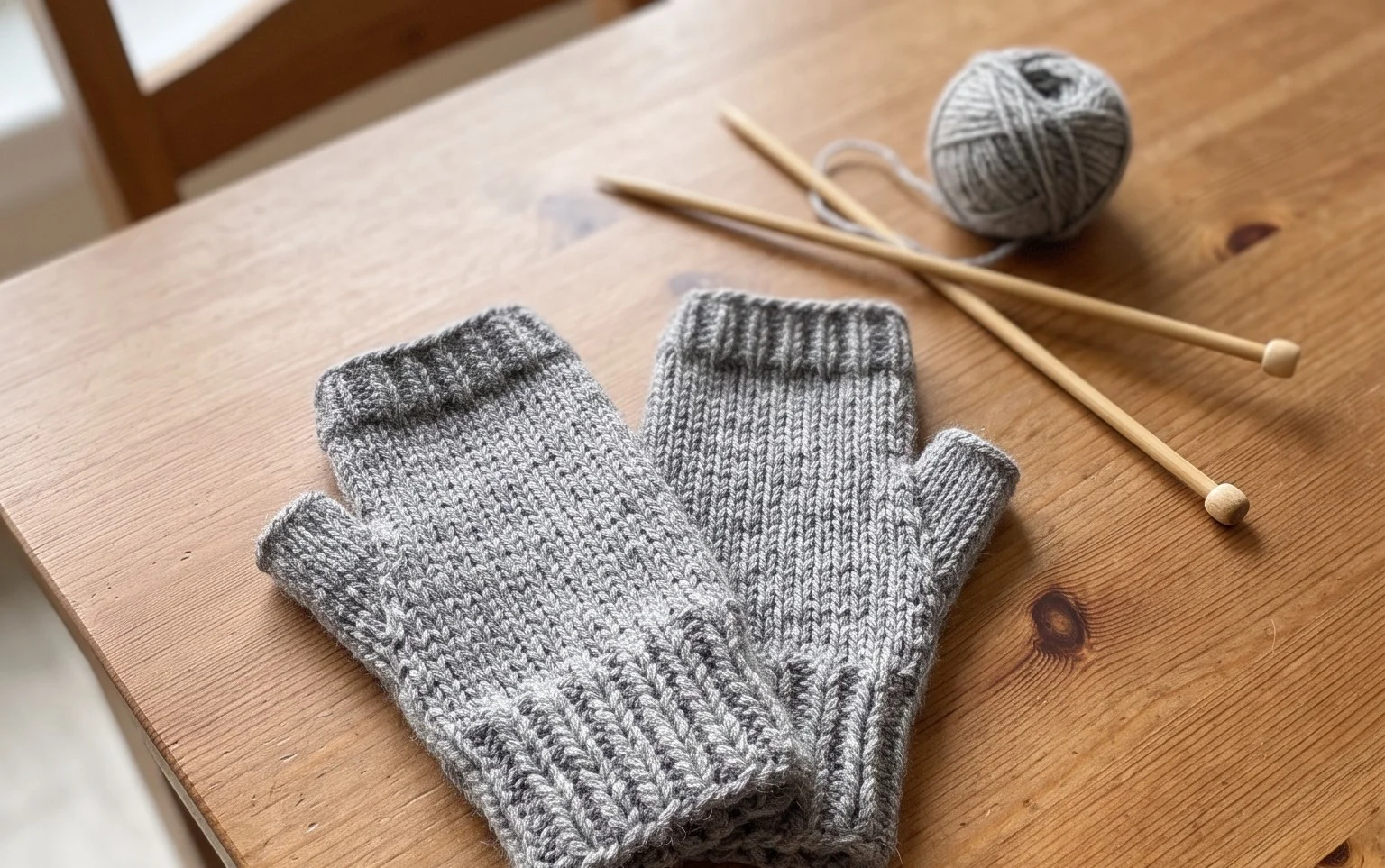
Easy Crochet Dishcloth: Free Beginner Pattern & Tutorial

This simple cotton dishcloth feels thick and squishy in your hands, providing just the right amount of scrub for dried-on food without scratching delicate non-stick pans. Beginners will enjoy how quickly the repetitive stitch pattern builds into a sturdy square, making it a reliable project for practicing consistent tension and edge control. You will find that this layout creates a dense fabric that absorbs soapy water efficiently, outperforming thin store-bought versions that fall apart after a few cycles in the machine. It is a productive way to use up leftover yarn scraps while building a functional collection for your daily kitchen cleanup.
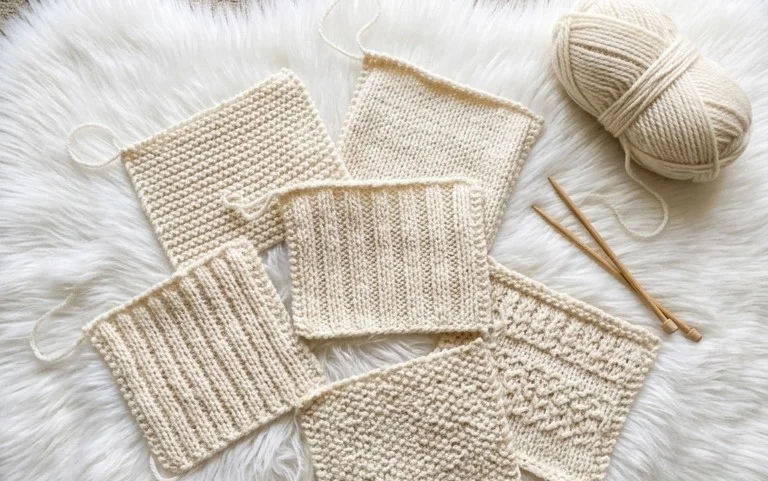
KNITTING COURSE—>” class=”wp-image” /></p><div class='hb-ad-inpage'><div class='hb-ad-inner'><div class='hbagency_cls hbagency_space_346993' id='hbagency_space_346993_1'></div></div></div>
<h2>Why You’ll Love This Pattern</h2>
<p>This classic crochet dishcloth is designed to be the ultimate workhorse in your kitchen. It uses a dense, textured stitch pattern that provides excellent scrubbing power for pots and pans while remaining gentle enough for glassware. Because it is worked in a sturdy cotton yarn, it holds up well to heavy scrubbing and repeated trips through the washing machine. You will find that this pattern is a perfect way to practice even tension across a square, and it works up quickly enough that you can make a full set in a single weekend. It also serves as an excellent scrap-yarn project if you have leftover cotton yarn from larger home decor items.</p><div class='hb-ad-inarticle'><div class='hb-ad-inner'><div class='hbagency_cls' id='hbagency_space_346995'></div></div></div>
<blockquote>
<p>I have made six of these for my kitchen so far, and they are the only cloths I use now because they hold soap so well and do not fall apart after a few washes.</p><div class='hb-ad-inpage'><div class='hb-ad-inner'><div class='hbagency_cls hbagency_space_346993' id='hbagency_space_346993_2'></div></div></div>
<p><cite>— Sarah, home cook</cite></p></blockquote>
<h2>Pattern Overview & Skill Level</h2>
<ul>
<li>Skill Level: Beginner</li>
<li>Approximate Time: 45 to 60 minutes per cloth</li>
<li>Construction: Worked in flat rows starting from a foundation chain</li>
<li>Finished Dimensions: Approximately 8 inches by 8 inches</li>
</ul>
<h2>Materials & Supplies Needed</h2>
<ul>
<li>Yarn: Worsted #4 weight, 100% cotton, approximately 60 yards per cloth. Solid colors show texture best.</li>
<li>Hook Size: 5.0 mm / H-8</li>
<li>Notions: Tapestry needle for weaving in ends, sharp scissors.</li>
<li>Safe yarn substitutions: You may use a cotton-linen blend for increased durability, though this may make the fabric slightly stiffer. Avoid acrylic yarns, as they are not absorbent and will not handle the heat of scrubbing hot cookware.</li>
</ul>
<h2>Stitch Guide & Abbreviations (US Terms)</h2>
<ul>
<li>ch: chain</li>
<li>sc: single crochet</li>
<li>dc: double crochet</li>
<li>st/sts: stitch/stitches</li>
<li>sl st: slip stitch</li>
<li>sk: skip</li>
<li>Seed Stitch: A repeating pattern of (sc, dc) across the row. You will work a sc into the top of a dc from the previous row, and a dc into the top of a sc from the previous row.</li>
</ul>
<h2>Step-by-Step Pattern Instructions</h2>
<h3>Main Cloth Body</h3>
<ol>
<li><strong>Foundation:</strong> Ch 30.</li>
<li><strong>Row 1:</strong> Sc in the second ch from the hook, dc in the next ch. Repeat (sc, dc) across until 1 st remains. Sc in the last st. Turn. (29 sts)</li>
<li><strong>Row 2:</strong> Ch 1, sc in the first dc from previous row, dc in the first sc. Repeat (sc, dc) across until 1 st remains. Sc in the last st. Turn. (29 sts)</li>
<li><strong>Rows 3-28:</strong> Repeat Row 2 until the piece measures approximately 8 inches square.</li>
</ol>
<h3>Finishing</h3>
<p>Once you reach the desired length, fasten off by cutting the yarn, leaving a 6-inch tail. Pull the tail through the final loop and pull tight to secure. Use a tapestry needle to weave the tail back and forth through the base of the stitches on the back side of the cloth to ensure it does not unravel during laundering. Repeat for the starting tail.</p><div class='hb-ad-inpage'><div class='hb-ad-inner'><div class='hbagency_cls hbagency_space_346993' id='hbagency_space_346993_3'></div></div></div>
<h2>Care & Washing Instructions</h2>
<ul>
<li>Machine wash on a warm setting (up to 104°F) with like colors to prevent dye transfer.</li>
<li>Tumble dry on low heat or lay flat on a towel to air dry to maintain the shape of the square.</li>
<li>If the corners begin to curl after washing, dampen the cloth slightly and lay it flat, pinning the corners down to block it into a perfect square while it dries.</li>
</ul>
<h2>Pro Tips & Common Mistakes to Avoid</h2>
<p>Maintain consistent tension throughout the project by ensuring your yarn feed is smooth; if your stitches are too tight, the fabric will be stiff and difficult to use. Always place a stitch marker in the first stitch of every row if you find yourself losing track of the count; this ensures your edges remain perfectly straight. Weave your ends in multiple directions—horizontally, then vertically—to lock them in place so they do not pop out after heavy scrubbing. If you choose to increase the size of your cloth, remember that adding more chains at the start requires an odd number of stitches to keep the seed stitch pattern aligned.</p>
<h2>Frequently Asked Questions</h2>
<details>
<summary>Can I use a larger hook for this pattern?</summary>
<p>Yes, you can use a 5.5 mm hook to create a looser, drape-heavy fabric. However, keep in mind that a larger hook will use more yarn and the resulting cloth will be less effective at scrubbing, as the gaps in the fabric will be larger.</p><div class='hb-ad-inpage'><div class='hb-ad-inner'><div class='hbagency_cls hbagency_space_346993' id='hbagency_space_346993_4'></div></div></div>
</details>
<details>
<summary>How do I adjust the size of the dishcloth?</summary>
<p>To make the cloth larger or smaller, simply increase or decrease your starting chain by an odd number. Ensure your total starting chain count is odd so that you always end the row with a single crochet.</p>
</details>
<details>
<summary>Is this pattern suitable for someone who has never crocheted before?</summary>
<p>This is an excellent project for a first-timer because it only requires two basic stitches and focuses on maintaining a straight edge. The simple, rhythmic nature of the seed stitch is very forgiving for learners.</p>
</details>
<details>
<summary>May I sell the dishcloths I make from this pattern?</summary>
<p>You are welcome to sell finished items made from this pattern at local craft fairs or online markets. Please credit the original design and use your own photographs rather than the ones provided in this guide.</p>
</details>
<p><img decoding= { "@context": "https://schema.org", "@type": "HowTo", "name": "KNITTING COURSE—>", "description": "A comprehensive guide featuring 12 classic, beginner-friendly knitting stitch patterns including Garter, Stockinette, Ribbing, and Basketweave. Each pattern includes row-by-row instructions perfect for creating practice swatches.", "image": "https://crochetweekend.com/wp-content/uploads/2026/10/flow_296454_8bc568b1_top.webp" }
Similar Posts

Leave a Reply

Your email address will not be published. Required fields are marked *