Easy Slouchy Hat Crochet Pattern for Cozy Everyday Wear
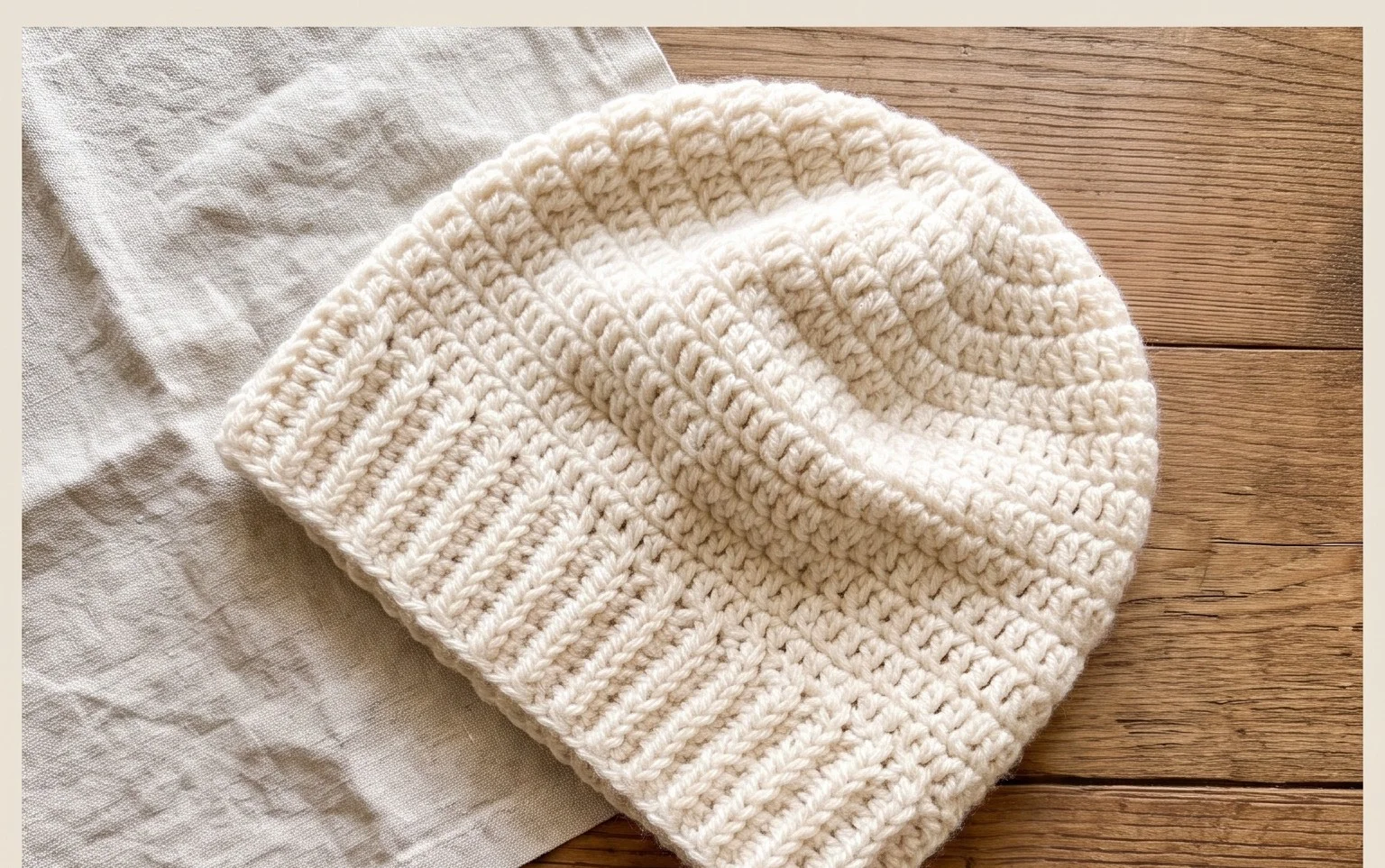
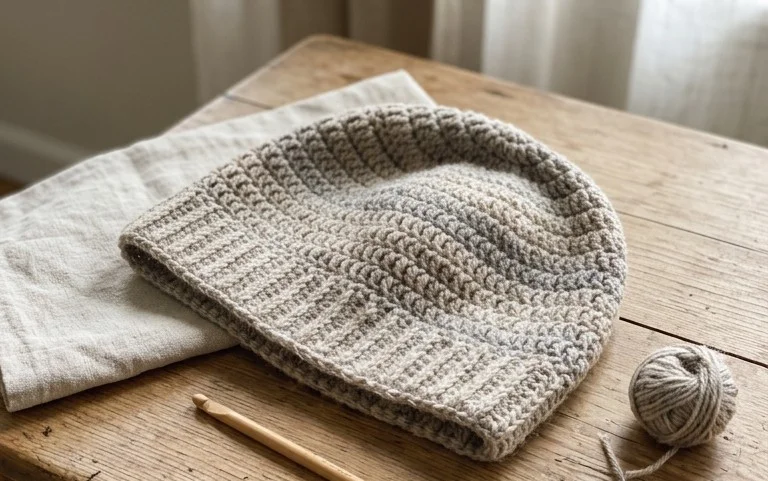
A slouchy crochet hat has a relaxed shape that gathers softly at the crown and sits comfortably above the ears. Its casual drape works with everyday coats and scarves, and you can choose a color that suits your own winter wardrobe or a gift recipient’s style. This project is a satisfying make for beginners who want to practice keeping their stitches even, as well as experienced crocheters looking for a useful, portable project. You’ll learn how the pattern’s stitch repeat builds the hat’s fabric and how the brim helps it stay in place. The finished hat has a soft, flexible feel, with enough room at the top for its characteristic slouch. Follow the sizing notes to get a fit that feels comfortable without pulling tightly around your head.
Why You’ll Love This Pattern
This square crochet dishcloth uses plain single crochet and washable cotton yarn, so it is a useful project for practicing even rows. The finished cloth measures about 7.5 inches square at the stated gauge, a handy size for washing dishes or wiping counters.
The pattern has no shaping, color changes, or sewn pieces. You can work it in one sitting, and its simple stitch repeat makes it easy to pause and pick up again. A solid cotton cloth also makes a practical handmade gift that can be washed and used often.
The rows were easy to keep track of, and the cotton made a sturdy cloth that feels good in my hand.
— Nina, weekend crocheter
Pattern Overview & Skill Level
- Skill Level: Beginner. You need to know how to chain and make single crochet stitches.
- Approximate Time: 2–4 hours, depending on your pace and how often you stop to check your rows.
- Construction: Work a flat square in back-and-forth rows, turning at the end of each row. There is no seaming or edging.
- Finished Dimensions & Sizing: About 7.5 × 7.5 inches (19 × 19 cm) after washing and drying flat. Gauge is 4 single crochet stitches and 4 rows per inch (2.5 cm). Check your gauge before starting if the finished size matters to you.
Materials & Supplies Needed
- Yarn: About 55–65 yards of worsted-weight (#4) 100% cotton yarn. Choose one color, or use leftover cotton if you have enough yardage. Cotton absorbs water and tolerates regular washing.
- Hook Size: 5.0 mm / H-8 crochet hook. Use the hook that gives you the stated gauge; a smaller hook makes a firmer cloth, while a larger hook makes a looser fabric.
- Notions: Tapestry needle for weaving in the two yarn ends, scissors, and a ruler or tape measure for checking gauge and size.
- Substitutions: A similarly thick, machine-washable cotton blend can work, though it may feel softer or less absorbent. Avoid acrylic if you want a cloth that absorbs water well. Different yarn thicknesses change the finished size and yardage, so make a gauge swatch and expect to use more or less yarn.
Stitch Guide & Abbreviations (US Terms)
- ch: Chain. Yarn over and pull through the loop on the hook.
- sc: Single crochet. Insert the hook into the stitch, yarn over and pull up a loop, yarn over and pull through both loops on the hook.
- st: Stitch.
- sts: Stitches.
The turning chain at the beginning of each row does not count as a stitch. Work the first single crochet into the first stitch of the previous row, not into the turning chain. This keeps both edges straight.
Step-by-Step Pattern Instructions
Dishcloth
- Row 1: Ch 31. Sc in the second ch from the hook and in each ch across. Turn. (30 sts)
- Row 2: Ch 1. Sc in each st across. Turn. (30 sts)
- Rows 3–30: Repeat Row 2, making 30 sc in every row. Turn at the end of each row. (30 sts per row)
- Finish: After Row 30, cut the yarn, leaving a tail of about 6 inches. Pull the tail through the final loop and snug it. Thread the tail onto a tapestry needle and weave it through several stitches on the wrong side. Weave in the starting tail the same way, then trim the excess.
Measure the cloth before washing. If it is noticeably longer or wider than 7.5 inches, your tension may be looser than the stated gauge; if it is smaller, your tension may be tighter. Cotton fabric can relax slightly after washing, so wash and dry the cloth flat before taking its final measurement.
Care & Washing Instructions
- Wash cotton in cool or warm water, up to 40°C (104°F), with similar colors.
- Dry flat for the best shape, or tumble-dry on low if the yarn label allows it.
- While damp, smooth the edges and reshape the square; follow the yarn label if you need to block it.
Pro Tips & Common Mistakes to Avoid
- Keep your tension steady: Cotton has less stretch than many wool yarns. Relax your grip and avoid pulling each stitch tight, or the cloth may become stiff and smaller than planned.
- Count the stitches: Check for 30 sc at the end of every row. If you tend to lose the first or last stitch, place a stitch marker in the first stitch of each row and move it up as you work.
- Hide the ends securely: Weave each tail through the backs of several stitches, change direction, then weave through a few more. This helps keep the ends from working loose during washing.
- Adjust size with care: For a wider cloth, start with more chains, then add the same number of single crochet stitches in every row. For a longer cloth, work more rows. Either change uses more yarn, and a larger cloth takes longer to dry.
Frequently Asked Questions
Can I use a different yarn for this dishcloth?
Yes. A cotton or cotton-blend yarn close to worsted weight is the best substitute. Check the yarn label for washing instructions, and make a small gauge swatch because a different yarn can change the cloth’s size, absorbency, and texture.
How can I make the dishcloth larger or smaller?
Change the starting chain to adjust the width, and work more or fewer rows to adjust the length. Keep the number of single crochets consistent across each row. A larger cloth requires more yarn and may take longer to dry.
Is this pattern suitable for a first crochet project?
Yes, if you are comfortable making chains and single crochet stitches. The main challenge is keeping 30 stitches in every row. Count each row before turning, especially while you are learning to spot the first and last stitch.
May I sell dishcloths made from this pattern?
Check the designer’s terms before selling finished items, and follow any requirements for pattern credit. If you sell the cloth, describe its fiber content accurately and include the yarn label’s care guidance for the buyer.
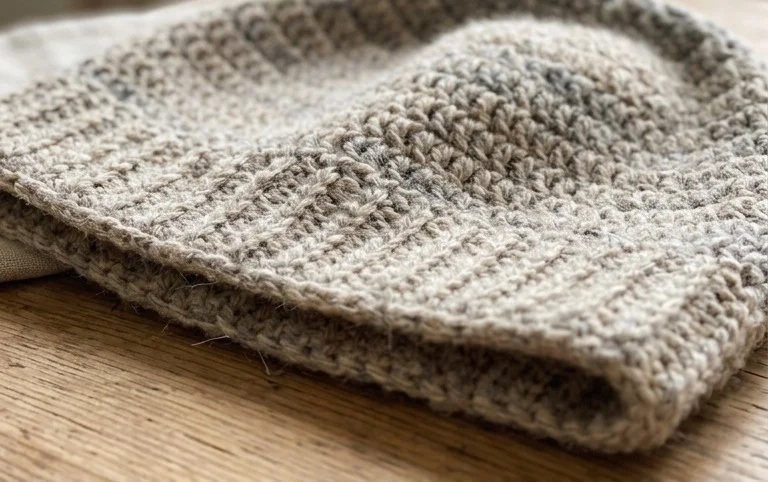
Your finished hat has a relaxed shape, a comfortable brim, and the handmade feel of something you can reach for on a chilly morning. For a simple variation, try a different yarn color or make a second one in a shade that matches a favorite coat. If you enjoyed making it, share a photo of your hat on Pinterest or your preferred social media platform; seeing the colors and fits other crocheters choose is always fun. You can also browse the blog for more free crochet patterns, including practical projects to keep your hook busy through the colder months.