Easy Crochet Dishcloth: Free Pattern and Materials Guide
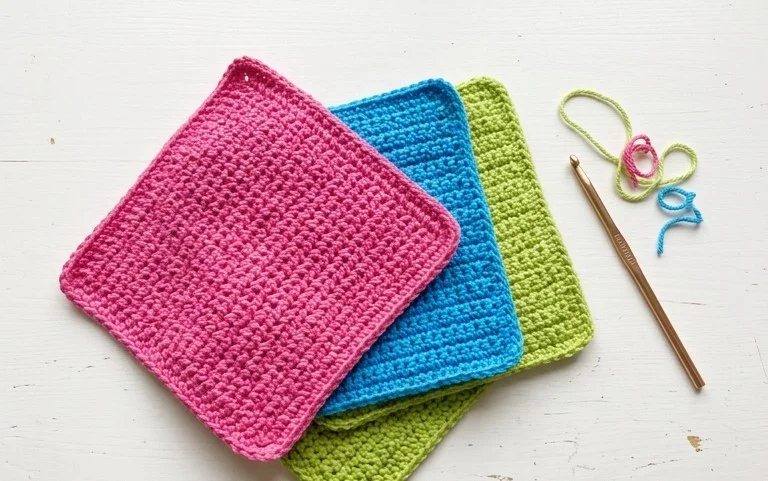
A stack of fresh, handmade cotton dishcloths changes the rhythm of your daily kitchen chores. These cloths feel dense and substantial in your palm, offering a firm grip for scrubbing pots or wiping down granite countertops. Whether you are teaching yourself basic crochet stitches or need a quick gift for a housewarming party, this project provides a clean slate for your craft. You will master the simple construction of flat rows that create a uniform, durable fabric. We will walk through the essential materials needed to ensure your finished work stands up to constant use, moisture, and frequent heat exposure.
Why You’ll Love This Pattern
This classic crochet dishcloth works up quickly using basic stitches, making it a reliable project for those who want to build muscle memory or finish a functional gift in an evening. The textured weave created by the pattern keeps the fabric durable and absorbent, which is essential for heavy-duty kitchen work. Because it uses a small amount of cotton yarn, it serves as an excellent way to use up leftover bits from larger projects without needing to buy new supplies. Many makers appreciate the rhythmic nature of the repeating rows, as it allows for relaxed crafting while listening to music or watching television.
I finished this dishcloth in less than two hours and the finished result is much thicker and more sturdy than the ones I buy at the grocery store. It holds its shape perfectly even after several cycles in the washing machine.
— Sarah, home crafter
Pattern Overview & Skill Level
- Skill Level: Beginner
- Approximate Time: 1.5 to 2 hours
- Construction: Flat square worked in rows
- Finished Dimensions: 8 inches by 8 inches
Materials & Supplies Needed
- Yarn: Worsted weight (#4) 100% cotton yarn, approximately 60 yards. Using cotton is mandatory for absorbency and heat resistance in kitchen environments.
- Hook Size: 5.0 mm (US H-8)
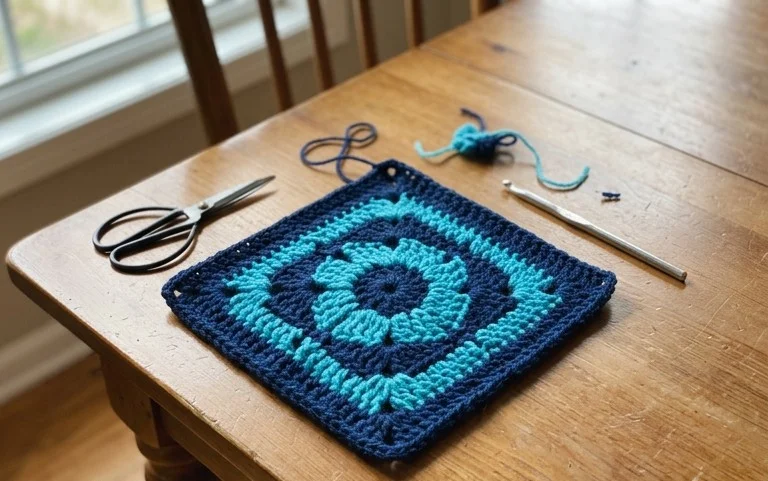
- Notions: Tapestry needle for weaving in ends, scissors, and an optional locking stitch marker to track rows.
- Yarn Substitutions: You can use a cotton-linen blend for increased scrubbing power, though it may be slightly stiffer. Avoid acrylic yarns as they do not absorb water well and can melt if exposed to hot pots or pans.
Stitch Guide & Abbreviations (US Terms)
- ch = chain
- sc = single crochet
- dc = double crochet
- st = stitch
- sl st = slip stitch
- sk = skip
- yo = yarn over
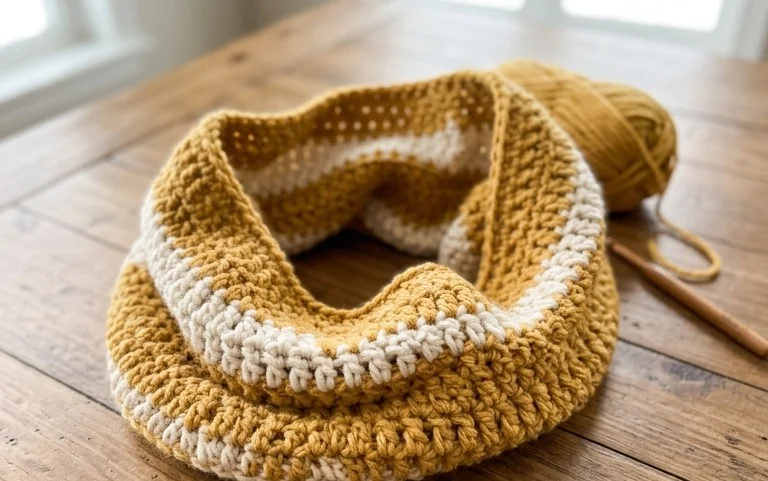
- Moss Stitch: A combination of sc and ch-1 spaces, where the sc is worked into the ch-1 space of the previous row.
Step-by-Step Pattern Instructions
Foundation
Begin by making a slip knot and chaining 30. Ensure your starting chain is not pulled too tight, as this can cause the bottom edge to curl or pucker.
The Main Body
Row 1: Sc in the 4th ch from the hook. *Ch 1, skip 1 ch, sc in the next ch. Repeat from * across until 1 ch remains. Sc in the last ch. Turn your work. (15 sc, 14 ch-1 spaces)
Row 2: Ch 2 (counts as first ch and skip). Sc in the first ch-1 space. *Ch 1, skip the sc, sc in the next ch-1 space. Repeat from * across. End by working a sc into the turning chain space from the row below. Turn. (15 sc, 14 ch-1 spaces)
Rows 3-30: Repeat Row 2 until the piece measures approximately 8 inches square. Maintaining consistent tension is important here so that the fabric does not become uneven.
Finishing
Once you reach the desired length, fasten off by cutting the yarn, leaving a 6-inch tail. Pull the tail through the final loop on your hook to secure the knot. Use your tapestry needle to weave the end back and forth through the base of the stitches on the wrong side of the fabric to hide it securely.
Care & Washing Instructions
- Machine wash the dishcloth on a warm cycle (up to 104°F/40°C) with similar colors.
- Lay the item flat on a towel to air dry to prevent stretching or distortion caused by hanging.
- If the cloth loses its shape after drying, dampen it lightly with water, pull gently into a square, and let it dry again to reset the fibers.
Pro Tips & Common Mistakes to Avoid
Pay close attention to your tension when working the chain-1 spaces. If you crochet them too loosely, the holes will become excessively large, but if they are too tight, the fabric will lose its drape and become stiff.
Use a stitch marker on the first stitch of every row to ensure you are consistently working into the correct spaces. This prevents the common mistake of accidentally dropping stitches at the edges, which leads to a trapezoid shape instead of a square.
Weave your ends in multiple directions. If you only weave the tail in a straight line, it is likely to work itself loose during the agitation of a washing machine. Weaving in a zigzag pattern locks the yarn into the fabric structure.
You can easily adjust the size of this cloth by chaining an even number of stitches to begin. Increasing the starting chain by 2 adds about half an inch to the width, but keep in mind that larger cloths require more yardage, so ensure you have enough yarn on hand if you decide to go significantly bigger.
Frequently Asked Questions
Can I use a different yarn weight for this pattern?
Yes, you can use DK or bulky weight yarn, but you will need to adjust your starting chain and row count to reach the desired 8-inch size. Remember to use a hook size recommended on your yarn label for the best result.
Is this pattern suitable for someone who has never crocheted before?
This pattern is ideal for beginners because it only requires two basic skills: the single crochet stitch and the chain stitch. Practicing the moss stitch on a simple dishcloth is a great way to learn how to keep edges straight.
Can I sell the dishcloths I make from this pattern?
You are welcome to sell finished items created from this pattern. I only ask that you provide credit back to this page if you are selling them in an online shop.
Why is my dishcloth curling at the edges?
Edge curling is usually a sign that your starting chain was too tight or your tension is inconsistent. If you notice this early, try restarting with a hook one size larger for the foundation chain only, or focus on keeping your ch-1 spaces relaxed.
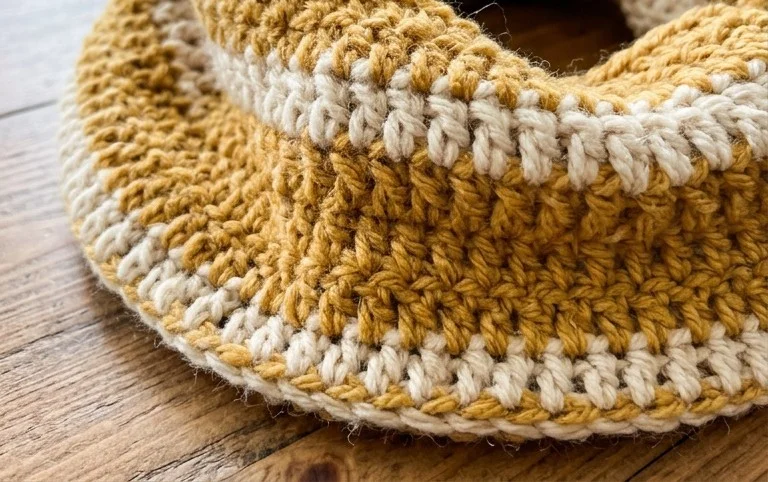
These durable squares soften with every wash, becoming even more absorbent as the cotton fibers relax over time. You can experiment with bold, variegated yarns if you want to add a splash of color to your kitchen sink area or work with a larger hook for an airier, faster stitch. I always love seeing how your colors turn out, so feel free to post a photo on your favorite social media site. Please browse my other free pattern collections for more projects to keep your hands busy during the evening.