Free Crochet Candy Cane Hat Pattern in 6 Sizes + Video
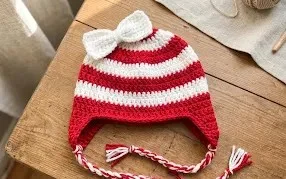
Red and white stripes give this crochet hat its candy cane look, while the soft, stretchy fabric keeps it comfortable to wear on chilly days. The finished hat works for children and adults, with six sizes to help you choose a fit for the whole family or make a thoughtful handmade gift. Beginners can follow along with the video and build confidence with the pattern’s stitches and shaping. The color changes create the familiar spiral effect, and working the hat is a satisfying way to see the stripes take shape as you go. In the pattern, you’ll find sizing guidance, materials, and clear instructions for making the hat, along with tips for keeping your stitches even and your color changes tidy. Choose classic red and white or adjust the colors to suit a winter outfit or holiday gift.
Why You’ll Love This Pattern
A firm cotton fabric and a simple single-crochet texture make this dishcloth useful for everyday washing and wiping. The pattern is worked flat in rows, so there are no shaped corners or complicated stitch repeats to track.
It suits a first project because the same stitch is used throughout, and the 30-stitch row count is easy to check. A single cloth takes only a small amount of yarn, making it a practical way to use leftover cotton. The finished square also makes a useful handmade gift when paired with a bar of soap or a set of kitchen towels.
The rows were easy to keep even, and the cotton made a sturdy cloth that feels good in the hand.
— Maya, beginner crocheter
Pattern Overview & Skill Level
- Skill Level: Beginner. You need to know how to chain and single crochet.
- Approximate Time: 2–3 hours, depending on your pace and experience.
- Construction: Worked flat in turned rows, then edged with one round of single crochet.
- Finished Dimensions & Sizing: About 8.5 x 8.5 in (21.5 x 21.5 cm) after washing and drying flat. Dimensions can vary with personal tension.
Materials & Supplies Needed
- Yarn: About 75 yd (69 m) of worsted-weight (#4) 100% cotton yarn in one color. Cotton absorbs water and holds up to frequent washing.
- Hook: 5.0 mm (US H-8) crochet hook. If your stitches are loose, try a 4.5 mm hook; a smaller hook makes a denser cloth.
- Notions: Tapestry needle for weaving in ends, scissors, and a ruler or tape measure.
- Substitutions: Use another worsted-weight cotton yarn with a similar recommended gauge. Cotton-linen blends can feel slightly firmer, while bamboo blends may drape more. Avoid acrylic for a cloth intended to absorb water. A different yarn thickness or hook may change the finished size and yardage.
Stitch Guide & Abbreviations (US Terms)
- ch = chain.
- sc = single crochet: insert hook into the stitch, yarn over and pull up a loop, yarn over and pull through both loops on the hook.
- st(s) = stitch(es).
- sl st = slip stitch: insert hook into the stitch, yarn over and pull through the stitch and the loop on the hook.
- rnd = round.
- RS = right side, the intended front of the fabric.
- WS = wrong side, the reverse of the fabric.
Turning ch 1 does not count as a stitch. Work the first single crochet into the first stitch of each row, not into the turning chain. This keeps the edges straight and maintains 30 stitches across.
Step-by-Step Pattern Instructions
Dishcloth
- Row 1: Ch 31. Sc in the second ch from the hook and in each ch across. Turn. (30 sts)
- Row 2: Ch 1. Sc in each st across. Turn. (30 sts)
- Rows 3–30: Repeat Row 2. Check that every row has 30 stitches before turning. (30 sts each row)
At the end of Row 30, measure the piece. It should be close to square, approximately 8.5 in (21.5 cm) on each side. If it is noticeably longer or shorter, the difference usually comes from row height. You can add or remove a few rows before making the border, but the finished dimensions will change.
Border and Finish
- Border round: Ch 1 and turn the work so you can crochet around its outside edge. Sc in each stitch across the top. At the corner, work 3 sc in the corner stitch. Sc evenly down the side, placing about 1 sc in the end of each row. At the next corner, work 3 sc in the corner. Sc in each chain along the bottom, then work 3 sc in the next corner. Sc evenly up the remaining side and work 3 sc in the final corner. Join with a sl st to the first sc. (132 sts)
- Fasten off, leaving a tail long enough to weave in. Thread the tail onto a tapestry needle and weave it through several stitches on the wrong side. Change direction once so it is less likely to work loose.
- Check the four corners. If a side edge puckers, it may have too many border stitches; if it pulls inward, it may have too few. Adjust the spacing gently while keeping the corner groups at 3 sc.
The border count assumes 30 stitches across the top, 30 across the bottom, and 30 single crochets along each side edge, including the three stitches in each corner group. Side-edge spacing can vary slightly with tension, so focus on an even, flat edge rather than forcing a count if your row ends need a small adjustment.
Care & Washing Instructions
- Wash cotton in cool or warm water, up to 40°C (104°F), with like colors and a mild detergent.
- Dry flat or tumble dry on low heat; high heat may shrink cotton.
- Reshape the corners and edges while damp, then allow the cloth to dry flat. Blocking is usually optional for a dishcloth.
Pro Tips & Common Mistakes to Avoid
- Keep your starting chain relaxed. A tight chain can make the bottom edge narrower than the rest of the cloth; use a slightly larger hook just for the chain if needed.
- Count the 30 stitches at the end of each row. It is easy to miss the last stitch at the edge, especially when it sits beside the turning chain.
- For the border, place a stitch marker in the first single crochet of the round. This helps you find the correct joining point and prevents an extra stitch from creeping into the edge.
- Weave yarn tails through the backs of several stitches without pulling the fabric tight. If you make the cloth larger by adding chains and rows, allow extra yarn; a wider border also uses more.
Frequently Asked Questions
Can I use a different kind of yarn?
Use cotton or a cotton-rich blend for a cloth that needs to absorb water. Wool can felt with washing, and acrylic tends to repel water rather than soak it up. If the replacement yarn is thicker or thinner, make a small swatch first because both the size and feel will change.
How can I make the dishcloth larger or smaller?
For a wider cloth, start with more chains, then work one single crochet into each chain after the first. Add or remove rows to adjust the length. Keep the starting chain odd so the first row still begins in the second chain from the hook, and expect a larger cloth to use more yarn.
Is this pattern suitable for a first crochet project?
Yes. It uses chains, single crochet, turning, and a simple border. The main thing to watch is the row edge: work into the first stitch rather than the turning chain, and count 30 stitches before turning each row.
May I sell dishcloths made from this pattern?
Check the designer’s terms before selling finished items, and follow any requirements for credit or product descriptions. If you sell the cloth, describe the yarn content accurately and include care instructions suited to that yarn.
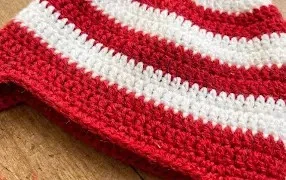
Once the final ends are woven in, you’ll have a striped hat with a cheerful candy cane look and a fit chosen from six sizes. Try a green-and-white version for another holiday feel, or use soft worsted-weight yarn in two colors that match the recipient’s coat. Take a photo of your finished hat and share it on Pinterest or your favorite social media account; seeing the colors and fit you chose can help other crocheters get inspired. If you enjoyed working through this pattern, browse the blog for more free crochet projects, including useful makes for everyday wear and handmade gifts. Keep your yarn label nearby so you can match the weight and care instructions when you make another one.