Easy Crochet Sugar Plum Square: Free Christmas Pattern
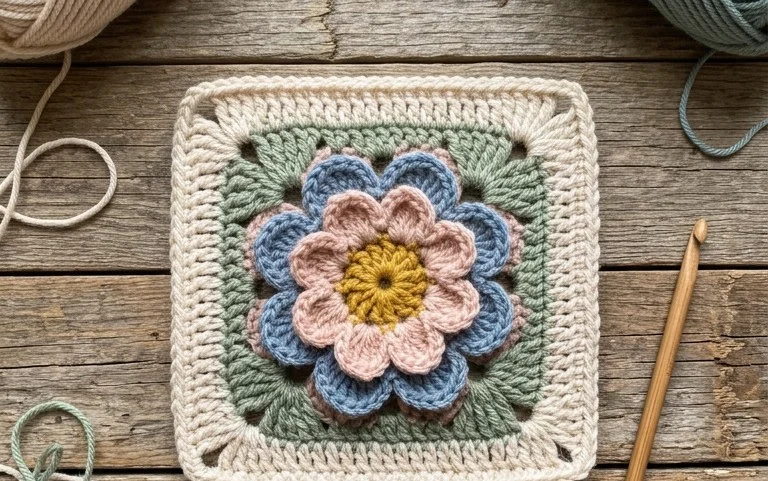
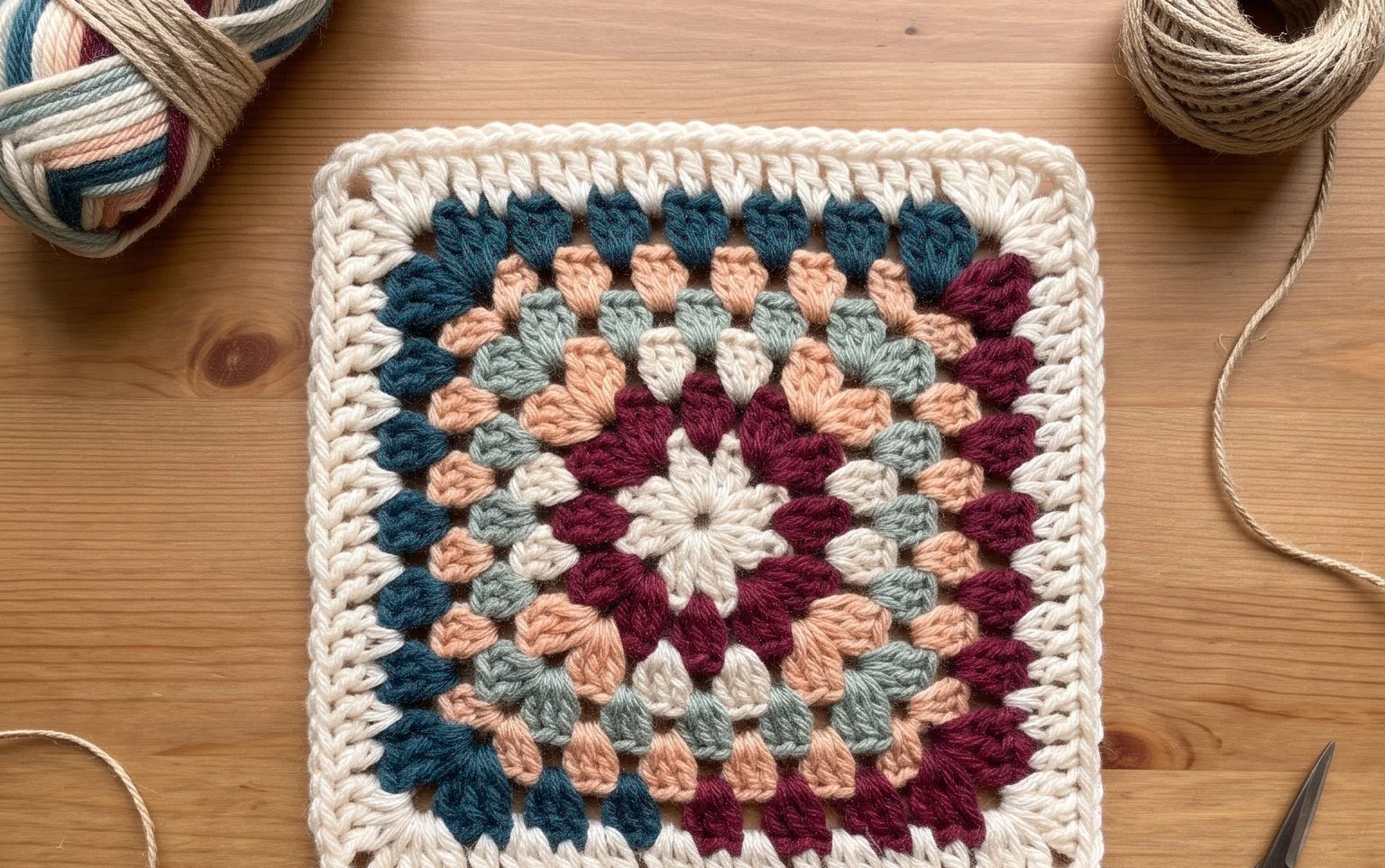
A crocheted square in plum, cream, or soft green brings a handmade touch to a cottage Christmas tree, mantel, or gift basket. The Sugar Plum Square has a compact shape and a stitch pattern that gives the fabric a little texture, so it feels satisfying to hold as it grows row by row or round by round. Beginners can take their time with the repeat and practice keeping the edges and corners even, while experienced crocheters can enjoy a relaxed seasonal make. It also works well as a small handmade gift for someone who loves cozy home decor. In this pattern, you’ll find the materials to gather, guidance for following the stitch pattern, and finishing tips to help your square lie neatly. Use it as a festive accent or make a few to bring a coordinated feel to your holiday decorating.
Why You’ll Love This Pattern
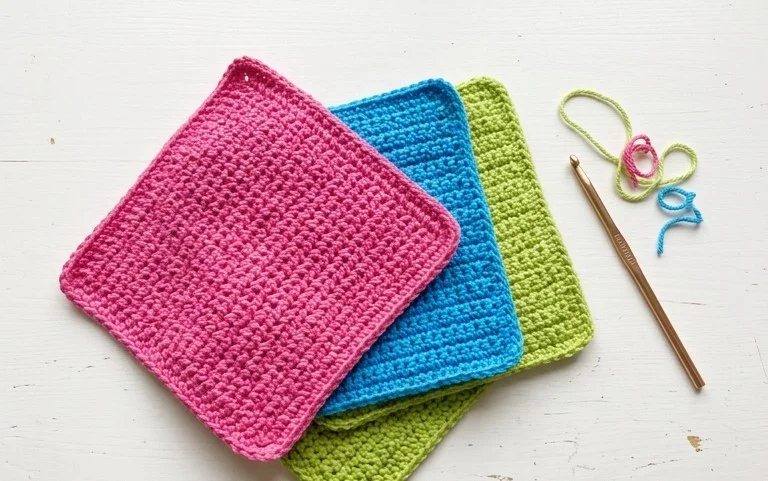
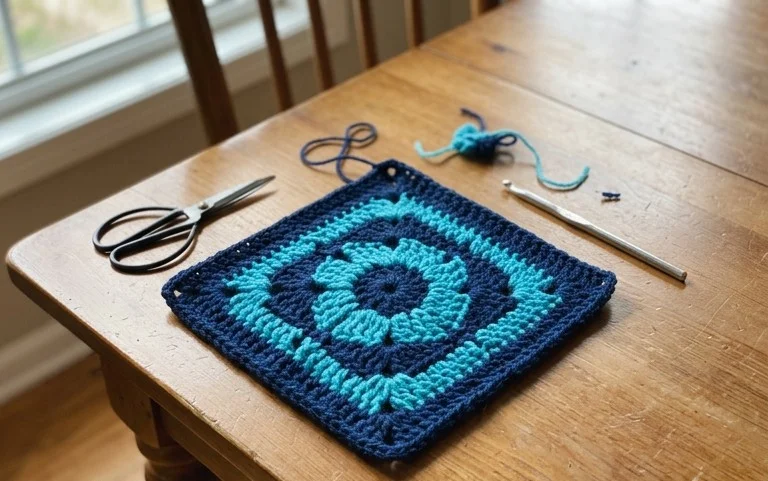
This cotton dishcloth is worked in simple single crochet rows, making it a useful first project for practicing even tension and straight edges. Its flat shape means there is no seaming or shaping, and the finished cloth is ready to use as soon as you weave in the ends.
Worsted cotton gives the fabric enough texture for everyday washing, while a single color keeps the stitch pattern easy to see. The repeat is steady and portable, so you can work a few rows at a time without needing to keep track of a complicated sequence.
A crocheter’s sample review: The rows were easy to count, and I had a practical dishcloth finished in one evening. I used a cotton yarn that was already in my basket.
The rows were easy to count, and I had a practical dishcloth finished in one evening. I used a cotton yarn that was already in my basket.
— Sample crocheter, illustrative review
Pattern Overview & Skill Level
- Skill Level: Beginner. You need to know how to chain and single crochet.
- Approximate Time: 2–3 hours, depending on your pace and how often you stop to check your row count.
- Construction: A flat rectangle worked back and forth in rows. Each row has 28 single crochet stitches.
- Finished Dimensions & Sizing: Approximately 8 x 8 in (20 x 20 cm) after washing and drying flat. Individual tension and yarn can change the final measurements.
The pattern uses US crochet terms. Turn at the end of each row, and make the starting chain-1 loosely; it does not count as a stitch.
Materials & Supplies Needed
- Yarn: About 80–100 yd (73–91 m) of worsted-weight cotton yarn, #4, in one color. Cotton absorbs water and holds up well to frequent washing.
- Hook Size: 5.0 mm / H-8 crochet hook. If your fabric feels stiff, try a 5.5 mm / I-9 hook; if it feels loose and floppy, try a 4.5 mm / 7 hook.
- Notions: Tapestry needle for weaving in the two yarn ends, scissors, and a ruler or measuring tape. A stitch marker is optional for marking the first stitch of a row.
- Substitutions: A similar-weight cotton or cotton-linen blend is suitable. A blend may feel softer or drape more, and a different yarn thickness can change the finished size and yardage. Avoid acrylic for a dishcloth intended to absorb water, since it does not absorb moisture as well as cotton.
For a simple gauge check, crochet a small swatch in single crochet. Aim for about 14 stitches and 16 rows in 4 in (10 cm). The finished cloth is forgiving, but matching gauge helps it land close to 8 in square.
Stitch Guide & Abbreviations (US Terms)
- ch = chain: Yarn over and pull through the loop on the hook.
- sc = single crochet: Insert the hook into the stitch, yarn over and pull up a loop, yarn over and pull through both loops on the hook.
- st = stitch: One stitch made in the row. sts is the plural form.
- turn: Rotate the work to begin the next row from the opposite edge.
There are no increases, decreases, joins, or special stitches in this pattern. The ch-1 at the beginning of each row is a turning chain only; do not work into it or count it as a stitch.
Step-by-Step Pattern Instructions
Dishcloth
- Starting chain: Ch 29. Keep the chain relaxed so the lower edge does not pull in.
- Row 1: Sc in the second ch from the hook and in each ch across. Turn. (28 sts)
- Row 2: Ch 1, sc in each st across. Turn. (28 sts)
- Rows 3–32: Repeat Row 2, keeping 28 sc in every row. Turn after each row. (28 sts)
After Row 32, the cloth should measure close to 8 in (20 cm) long. If your row gauge differs slightly, measure the piece and stop when it reaches approximately 8 in, while keeping the same 28 stitches across.
Finishing
Cut the yarn, leaving a tail long enough to weave in, and pull the tail through the final loop to secure it. Thread the tail onto a tapestry needle and weave it through several stitches on the wrong side. Change direction once, then trim the remaining tail close to the fabric without cutting a stitch. Weave in the starting tail the same way. Smooth the edges with your hands and check that the corners lie flat.
Care & Washing Instructions
- Wash cotton in cool or warm water, up to 40°C (104°F), with similar colors; follow the yarn label if it gives different instructions.
- Dry flat or tumble-dry on low if the yarn label permits; high heat can shrink cotton.
- Reshape the cloth while damp and let it finish drying flat; light blocking is optional if the edges curl.
Pro Tips & Common Mistakes to Avoid
- Keep the edges relaxed: A tight turning chain can make the sides pull inward. Make the ch-1 at the start of each row a little looser than your single crochet stitches.
- Count the stitches: Check for 28 sc at the end of each row. The first stitch can be easy to miss, so use a marker in the first stitch of a row if your edges are uneven.
- Secure the tails neatly: Weave each end through the backs of several stitches, changing direction once. Avoid pulling so firmly that the fabric puckers.
- Adjust the size with care: For a wider cloth, add chains to the foundation chain while keeping one fewer stitch than chains made. Add or remove rows for length. A larger cloth uses more yarn, and a larger hook or thicker yarn can also increase the finished dimensions.
Frequently Asked Questions
Can I use a different yarn fiber?
For a dishcloth that needs to absorb water, cotton is the best choice. A cotton-linen blend can work, though it may feel less soft or drape differently. Check the yarn label for washing instructions, and expect the dimensions to change if the replacement yarn is thicker or thinner.
How can I make the dishcloth smaller or larger?
Change the foundation chain to adjust the width, making sure to work one fewer single crochet than the number of chains. Add or remove rows to change the length. Measure as you go, since yarn weight and personal tension affect the finished size.
Is this pattern suitable for a first crochet project?
Yes. It uses only chains and single crochet worked in straight rows, with no shaping or sewing. Count the stitches at the end of each row; keeping 28 stitches will help the sides stay even.
Can I sell dishcloths made from this pattern?
You can sell your finished handmade items if the designer’s pattern terms allow it. Check the original designer’s terms before selling, and write your own product description rather than presenting the pattern as your own.
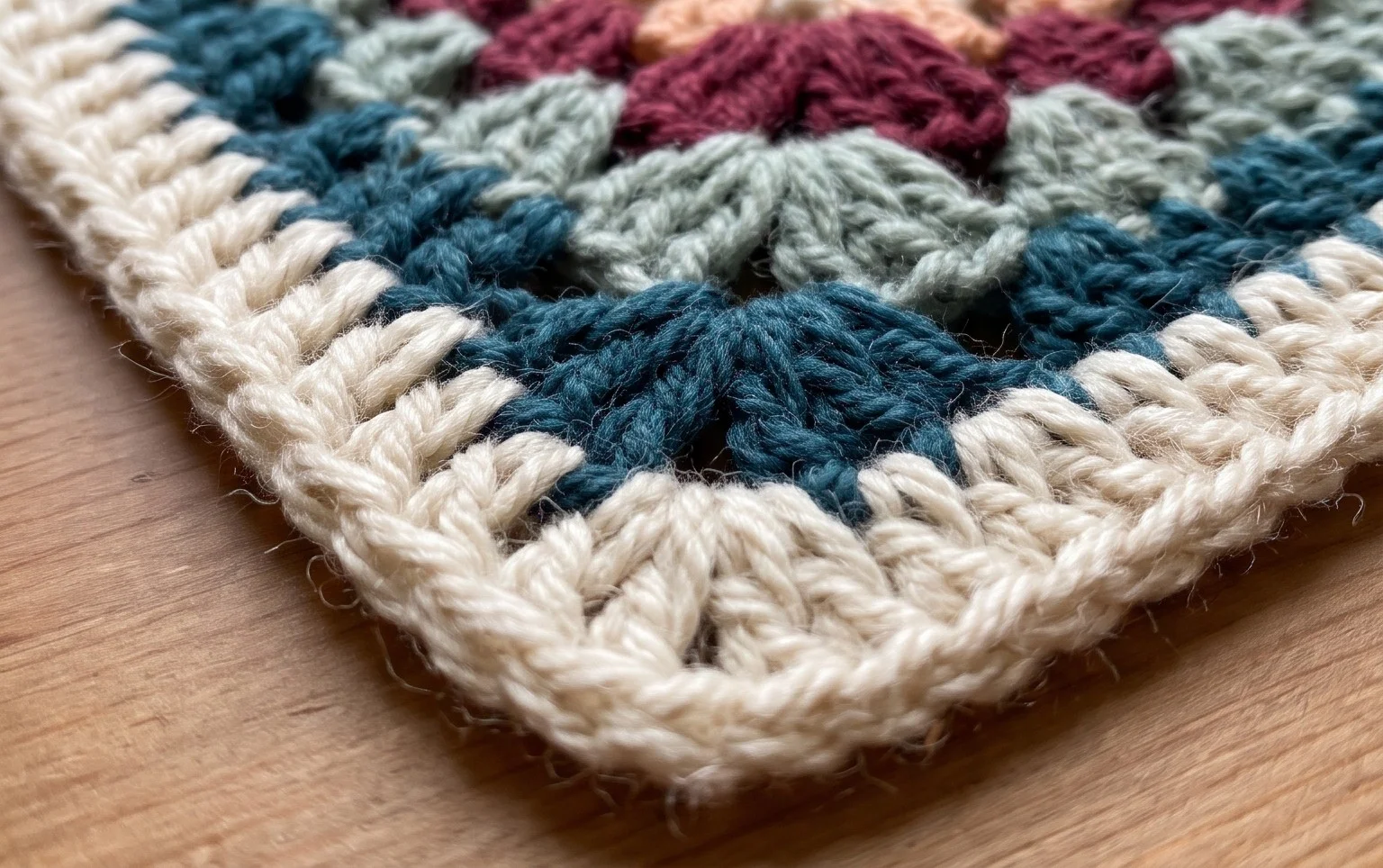
When the last end is woven in, you’ll have a handmade square ready to add a little cottage warmth to your Christmas decorating. For a simple variation, change the main color to a muted berry shade and keep the rest of the palette soft, so the stitch texture still reads clearly. Take a photo of your finished piece on the mantel, beside a wrapped gift, or in the spot where you plan to use it, then share it on Pinterest or your favorite social platform. Seeing how different yarn choices shape the finished square is part of the fun. If you enjoyed this seasonal project, browse the blog for more free crochet patterns to work on during a quiet winter evening.